Mauritius Residence by Property (PDS / IRS / RES / Smart City — EDB)
An Indian Ocean island where residency comes with the home you buy — no capital-gains, inheritance or wealth tax, English and French side by side, and the same time zone as Johannesburg.
Calodyne · Grand Baie · the north coast
Prepared by AT20 Capital · 7 June 2026 · Strictly private & confidential
At a glance
The essentials.
Minimum investment
USD 375,000
Status
Open — property route active
What it grants
Residence permit
Mobility
National residence
Physical presence
No minimum stay — residence is held for as long as you own the qualifying property.
Indicative timeline
Approximately 3–6 months for EDB approval after purchase.
Family
Spouse/partner, dependent children to 24, and dependent parents under a single qualifying investment.
Tax position
No capital-gains, inheritance, estate or wealth tax; foreign income taxed only on remittance; personal income tax to a 20% top rate.
Location & country
Where on the planet.
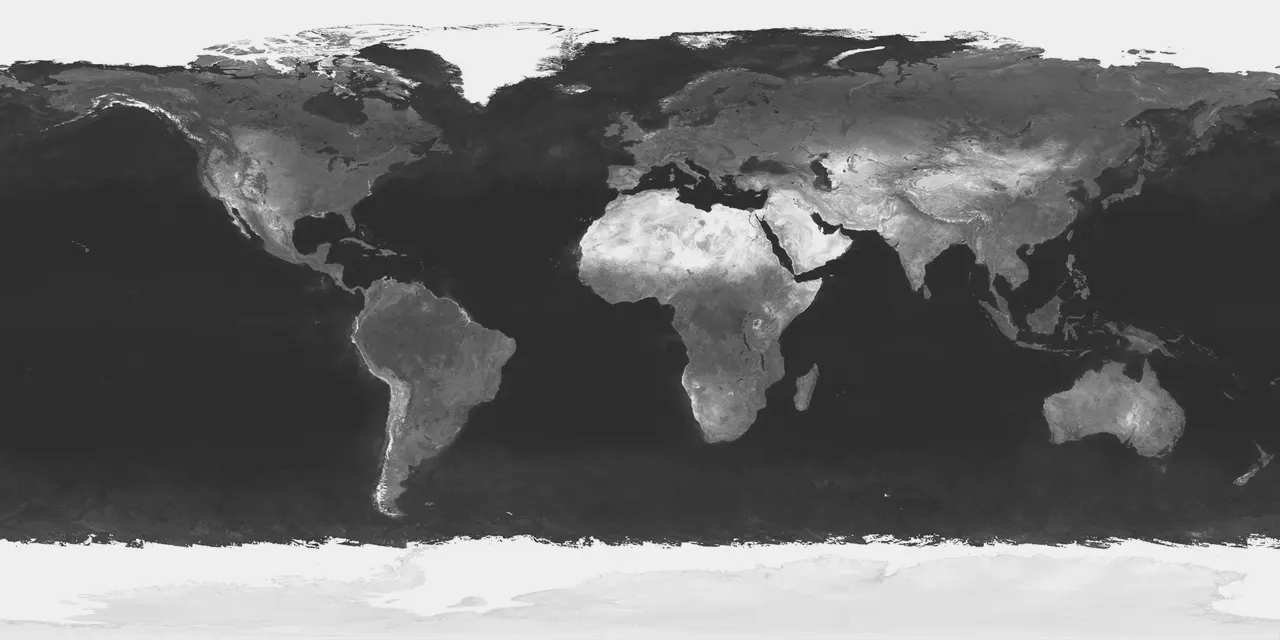
20.3°S, 57.5°E
Indian Ocean · off East Africa
A stable, bilingual, common-law island in the same time zone as Johannesburg — no capital-gains, inheritance or wealth tax, and residency that comes with the home you buy. A natural rand- and euro-hedge with a turquoise-lagoon lifestyle.
Capital
Port Louis
Currency
Mauritian Rupee (Rs)
Languages
English & French; Creole
Time zone
MUT (UTC+4)
Climate
Tropical
Population
≈ 1.3 million
Area
2,040 km²
Dialling · drives on
+230 · Left
Overview
Why Mauritius.
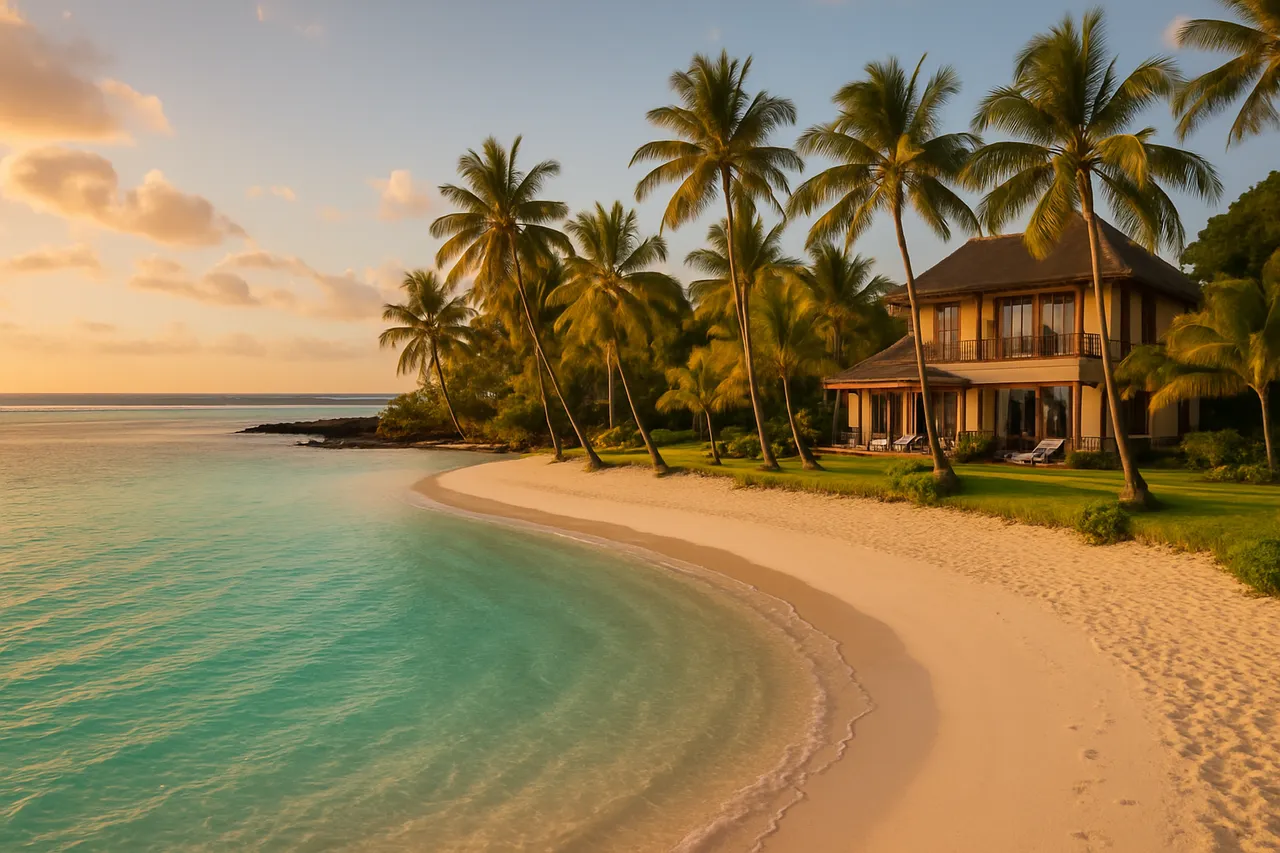
An Indian Ocean island where residency comes with the home you buy — no capital-gains tax, no inheritance tax, no wealth tax, English and French spoken side by side. Beachfront and resort residences along the north coast, from Calodyne to Grand Baie, held for lifestyle, income and a tax-efficient base.
What our clients come for
The case for Mauritius.
Residency with the home
Buy a qualifying residence from USD 375,000 under an approved scheme and a Mauritian residence permit follows for you and your family — valid for as long as you own it. No separate fund, no donation.
No CGT, no inheritance tax
No capital gains tax, no inheritance or estate tax, no wealth tax. Personal income tax tops out at 20%, and foreign income is taxed only when remitted to Mauritius.
Holiday homes
Beachfront and resort residences on the island’s sought-after north coast — used privately, let when you are away.
Land & off-plan
Off-plan and development opportunities bought directly from the developer — sourced, vetted and held end to end.
Capital growth
A stable, bilingual, common-law jurisdiction with sustained foreign demand and a deepening luxury-property market.
Rental income
Strong tourism-led short-let and long-let yields, with tenancy, maintenance and management handled discreetly on your behalf.
Residency pathways
The routes we open.
01
Residence via Property — PDS / IRS / RES / Smart City
From USD 375k
A qualifying residence of at least USD 375,000 in an approved scheme grants a Mauritian residence permit to the buyer and dependants, valid for as long as the property is held. Filed with the Economic Development Board. Indicative processing ~3–6 months.
02
Ground +2 Apartment
Buy from ~USD 147k
Any apartment in a building of at least two floors above ground can be bought by a foreigner from MUR 6,000,000 (≈ USD 147,000) — but a residence permit still requires a qualifying USD 375,000+ acquisition.
03
Occupation Permit — Investor
A ten-year live-and-work permit from a USD 50,000 investment into a Mauritian company, with a route to a 20-year Permanent Residence Permit.
04
Permanent Residence Permit
20 years
A 20-year permit for qualifying investors, property owners and retirees — the long-horizon status ahead of any naturalisation.
05
Retired Non-Citizen (50+)
A ten-year permit for retirees aged 50+ transferring at least USD 2,000 per month (USD 24,000/yr) to Mauritius.
Tax position
How your capital is treated.
Mauritius levies no capital gains tax, no inheritance or estate tax and no wealth tax. Personal income tax is progressive to a 20% top rate (a temporary 15% Fair Share Contribution applies to income above MUR 12m), and foreign income is taxed only when remitted to Mauritius, with credit under a network of 40+ double-tax treaties. Final positions are confirmed with licensed Mauritian counsel.
No capital-gains, inheritance, estate or wealth tax; foreign income taxed only on remittance; personal income tax to a 20% top rate. Residence by property is a strong tax-residency base for those who meet the day-count tests.
Indicative cost
What it costs, end to end.
Modelled on a $375,000 qualifying property for two adults. Indicative only.
Property investment · residence from USD 375,000
$375,000
Registration / land transfer duty (10%) · non-citizen, from 1 Jul 2026
Same time zone, a short flight, a SA–Mauritius tax treaty, no CGT or inheritance tax — a natural rand-hedge and relocation base.
French nationals
A large French-speaking community, direct flights, a France–Mauritius treaty and a tax-efficient lifestyle in the sun.
British & Commonwealth
English-speaking, common-law, a UK–Mauritius treaty, and a shorter naturalisation horizon for Commonwealth citizens.
Indian families
Deep historic and business ties, the India–Mauritius treaty, and a stable English-law base for family and capital.
Risk & assumptions
What to weigh.
Mauritius is not in the EU or Schengen — residence here grants no European mobility.
From 1 July 2026 registration / land-transfer duty on non-citizen scheme purchases rises from 5% to 10%, applying to titles registered from that date — registering before the cut-off locks the 5% rate.
Residence is contingent on continued ownership; selling without replacement can end the permit.
Legal basis & official sources
Traceable to the law.
Administering authority
Economic Development Board (EDB), Republic of Mauritius
A qualifying residence of at least USD 375,000 under an approved scheme (PDS / IRS / RES / Smart City) grants a residence permit to the buyer and dependants for as long as the property is owned (EDB Act 2017; PDS Regulations 2015).
No capital-gains, inheritance, estate or wealth tax; foreign income taxed on a remittance basis; personal income tax to a 20% top rate.
Registration / land-transfer duty for non-citizens rises from 5% to 10% for titles registered from 1 July 2026 (Finance Act 2025, Act 18 of 2025).
No minimum stay to hold the permit; Mauritian tax residency requires meeting day-count tests (183 days/year, or 270 days over three years).
Verified against the governing legislation and the administering authority; independently cross-checked. Last reviewed 2026-06-06 · confidence: high. All figures are indicative and confirmed by licensed counsel on engagement.
Questions
The essentials, answered.
How does residency work?
Buy a qualifying residence of at least USD 375,000 under an approved scheme (PDS, IRS, RES or Smart City) and you and your dependants receive a Mauritian residence permit, valid for as long as you own the home. The application is filed with the Economic Development Board.
Who can be included?
Your spouse or partner, your dependent children up to and including age 24, and dependent parents may be included on a property-based residence permit. Exact eligibility is confirmed by counsel.
Do I have to live in Mauritius?
No minimum stay is required to hold the residence permit while you own the property. You become a Mauritian tax resident if you spend 183 days in a tax year, or 270 days across three years.
Can you handle the property and the residency together?
Yes — the acquisition and the residence application are run as one engagement, with licensed Mauritian legal, tax and immigration counsel coordinated so the purchase and the permit advance together.
Begin privately
Speak with AT20 Capital.
We map the route, the cost and the timeline around your family — privately, and without obligation. Property and residency are run as a single engagement, with licensed local counsel coordinated throughout.
This dossier is for general guidance only and does not constitute immigration, legal, tax, financial or property advice. Programme rules, investment thresholds, eligibility requirements and government policies change frequently — all figures are indicative and verified to 2026, and final positions are confirmed in writing by licensed professionals in the relevant jurisdiction. No residence approval is guaranteed: all applications are subject to due diligence, source-of-funds review, government discretion and applicable laws. Tax-residency planning requires personalised advice from appropriately qualified tax professionals. AT20 Capital coordinates the engagement and facilitates applications through admitted local counsel; it is not a law firm. Source basis: Economic Development Board Mauritius (edbmauritius.org) IRS/RES/PDS guidelines; EDB Act 2017 + PDS Regulations 2015; Finance Act 2025 duty change (Laws of Mauritius). Verified 2026-06.